
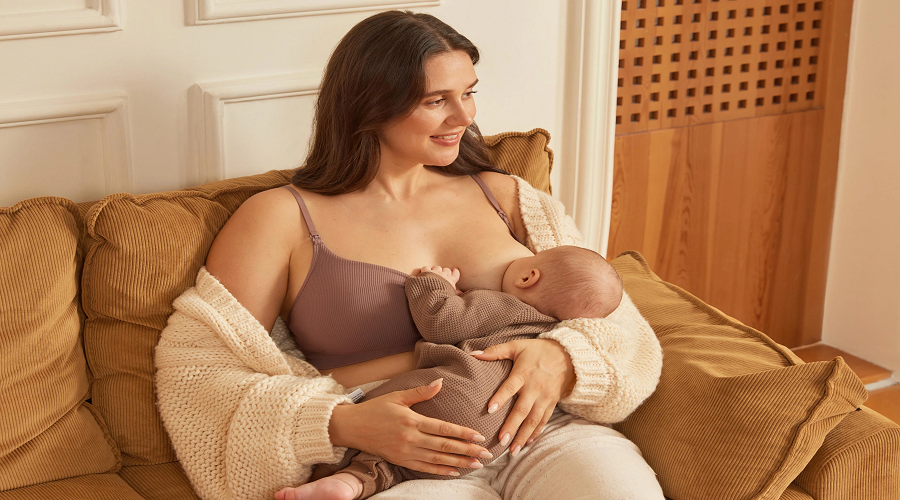
The Ultimate Nursing Bra Handbook
Your breastfeeding journey deserves the best support, and that starts with the perfect nursing bra. Unlike regular bras, nursing bras are specifically designed to accommodate your changing body, provide easy access for feeding, and offer the comfort you need during this special time.
The impact of a well-fitting nursing bra goes beyond comfort. According to lactation experts, proper breast support can:
- Prevent clogged ducts and reduce mastitis risk
- Support healthy milk production and flow
- Make breastfeeding more convenient and enjoyable
- Boost your confidence during postpartum recovery
In this comprehensive guide updated for 2026, we’ll walk you through everything you need to know about nursing bras – from finding your perfect fit to choosing the right materials and styles for your lifestyle.
Complete Nursing Bra Guide: What Every Mother Should Know
Understanding Different Nursing Bra Types
Nursing bras come in various styles, each designed for specific needs:
Everyday Nursing Bras
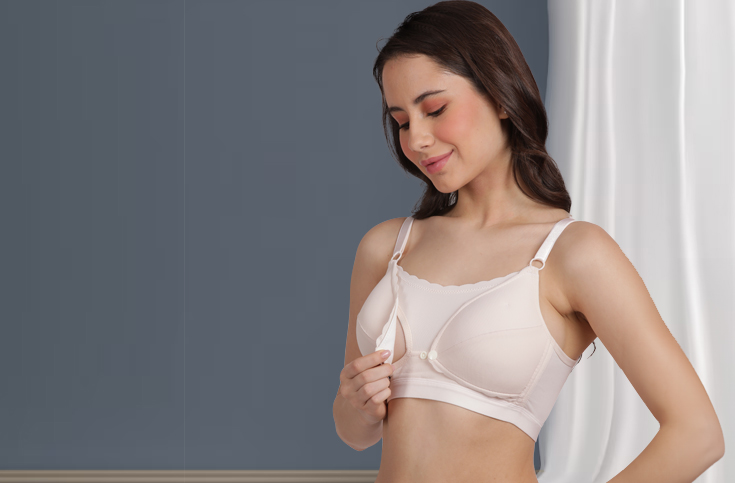
Your daily essential – look for wire-free comfort, easy clasps, and soft fabrics that move with you throughout the day. Perfect for regular use and maximum comfort.
Sleep Nursing Bras
Designed for overnight comfort and nighttime feedings with ultra-soft materials and minimal hardware. Provides gentle support without restricting movement.
Sports Nursing Bras
For active mothers who want support during exercise without sacrificing nursing accessibility. Offers maximum support during physical activity.
Pumping Bras
Essential for working mothers or those who pump regularly, offering hands-free convenience. Makes pumping sessions more efficient and comfortable.
Timeline for Building Your Nursing Bra Wardrobe
Your nursing bra needs will evolve throughout your journey. Here’s a practical timeline:
- Late Pregnancy (36+ weeks): Purchase 1-2 basic nursing bras that accommodate growth. Focus on comfort and stretchability.
- Early Postpartum (Weeks 1-4): Focus on comfort and accessibility during initial recovery. Soft, easy-to-open styles are essential.
- Established Feeding (Months 2-6): Build a complete wardrobe for different needs and activities. Variety is key at this stage.
- Returning to Work: Add pumping bras and professional-looking options for workplace comfort and convenience.
- Weaning Phase: Transition to lighter support as needed, adjusting as your body changes.
Nursing Bra Sizing: Get the Perfect Fit Every Time
Step-by-Step Measurement Guide
Getting accurate measurements is crucial for comfort and support. Follow these steps for the perfect fit:
Step 1: Band Measurement
Stand comfortably without a bra. Using a soft measuring tape, measure directly under your bust, keeping the tape parallel to the floor. Make sure it’s snug but not tight. Round to the nearest even number – this is your band size.
Step 2: Cup Measurement
Measure around the fullest part of your bust, again keeping the tape parallel to the floor. Don’t compress breast tissue. Subtract your band measurement from this number:
- 1″ difference = A cup
- 2″ = B cup
- 3″ = C cup
- 4″ = D cup
- 5″ = DD/E cup
- Each additional inch = next cup size
Nursing Bra Size Chart
| Band Size | Cup Range | Best For |
|---|---|---|
| 32-36 | B-DD | Average frame, everyday wear |
| 38-42 | C-G | Fuller bust, maximum support |
| 44+ | D-J+ | Plus size, specialized support |
Pro Tip: Always try nursing bras on the loosest hook initially. This gives you room to tighten as the elastic stretches over time. Your rib cage may also change size during your breastfeeding journey.
Choosing the Right Materials for Comfort and Health
Fabric Guide for Nursing Bras

Choosing the right materials ensures comfort throughout the day
Organic Cotton
Best for: Sensitive skin, hot climates, everyday wear
Benefits: Breathable, hypoallergenic, sustainable
Care: Machine wash cold, air dry
Perfect for: Daily wear and postpartum recovery
Bamboo Viscose
Best for: Sleep bras, postpartum recovery
Benefits: Antibacterial, temperature regulating, super soft
Care: Hand wash recommended
Perfect for: Nighttime comfort and sensitive skin
Microfiber Blends
Best for: Active wear, pumping bras
Benefits: Quick-drying, four-way stretch, smooth finish
Care: Machine wash gentle
Perfect for: Sports bras and everyday performance
Material Selection Checklist
Check these factors when choosing nursing bra materials:
- ✓ Does the fabric breathe well for all-day comfort?
- ✓ Is it soft against sensitive postpartum skin?
- ✓ Does it accommodate breast size fluctuations?
- ✓ Is it durable enough for frequent washing?
- ✓ Does it provide adequate support for your activity level?
- ✓ Is it free from irritating chemicals and dyes?
- ✓ Does it maintain its shape after multiple washes?
- ✓ Is it appropriate for your climate and season?
Care and Maintenance: Extend Your Nursing Bra‘s Life
Proper Washing Protocol
To maintain your nursing bras’ shape, support, and elasticity, follow these guidelines:

Proper care extends the life of your nursing bras
Do’s:
- Wash in cold or lukewarm water only
- Use mild, fragrance-free detergent
- Place in mesh lingerie bags for machine washing
- Hand wash for delicate fabrics and lace
- Wash after 2-3 wears typically
- Gently squeeze out excess water – don’t wring
- Reshape cups while damp
- Store properly to maintain shape
Don’ts:
- Never use bleach or fabric softeners
- Avoid high heat in dryer (air dry only)
- Don’t wring or twist to remove water
- Avoid direct sunlight when drying
- Don’t wash with rough items like zippers
- Never iron directly on elastic or hooks
- Avoid hanging by straps to dry
- Don’t use harsh stain removers
When to Replace Your Nursing Bras
Watch for these signs that it’s time for replacement. A well-maintained nursing bra typically lasts 6-9 months with regular wear:
- ✓ Elastic loses recovery (band stretches out)
- ✓ Fabric becomes thin or transparent
- ✓ Closures no longer secure properly
- ✓ Straps won’t stay adjusted
- ✓ Visible fraying or broken threads
- ✓ 6-9 months of regular wear has passed
- ✓ Discomfort despite proper fitting
- ✓ Fading or permanent staining
- ✓ Wires poking through fabric
- ✓ Cups no longer provide adequate coverage
- ✓ Material feels rough or scratchy
- ✓ Odors persist after washing
Frequently Asked Questions (FAQ)
Q: How many nursing bras do I really need?
A: Most breastfeeding mothers need 4-6 nursing bras for proper rotation. We recommend: 2-3 everyday bras, 1-2 sleep bras, and 1 sports or pumping bra if applicable. This allows for washing rotation and ensures you always have a clean, dry bra available. Having multiple bras also extends the life of each one by reducing wear and tear.
Q: When should I buy my first nursing bra?
A: Purchase your first nursing bras around 36 weeks of pregnancy. However, buy only 1-2 initially. Wait until 2-4 weeks postpartum (after initial engorgement subsides) to invest in most of your nursing bra wardrobe, as your size will stabilize. Your breasts will change significantly in the first few weeks after delivery.
Q: Are underwire nursing bras safe?
A: Yes, if properly fitted. The underwire must sit completely outside breast tissue to avoid compressing milk ducts. Many experts recommend waiting until 4-6 weeks postpartum when milk supply regulates. Consider professionally fitted underwire bras from brands specializing in nursing support. Always ensure the wire doesn’t press on any part of your breast tissue.
Q: Can I sleep in my nursing bra?
A: Absolutely, with the right design. Sleep nursing bras are specifically engineered for overnight comfort with ultra-soft fabrics, wire-free construction, and easy nursing access. They provide gentle support for nighttime feedings without restricting movement. Many mothers find them essential for comfort during postpartum recovery.
Q: What’s the difference between cheap and expensive nursing bras?
A: Price reflects materials, construction quality, and design features. More expensive bras typically use higher-quality fabrics, better elastic that lasts longer, and more thoughtful design elements like adjustable slings, strategic seaming, and premium closures. Mid-range bras often offer the best value for quality. Consider investing in at least one high-quality bra for daily wear.
Final Thoughts: Your Nursing Bra Journey
Finding the perfect nursing bra is an investment in your comfort, health, and breastfeeding success. Remember that every mother’s journey is unique, and what works for one may not work for another. Don’t hesitate to try different styles and brands until you find what feels right for your body and lifestyle.
Key Takeaways for 2026:
- Fit First: Always prioritize proper fit over style. A well-fitting bra prevents discomfort and health issues.
- Quality Matters: Invest in well-constructed bras that last through your breastfeeding journey.
- Variety is Key: Build a wardrobe for different needs – everyday, sleep, and active wear.
- Listen to Your Body: Discomfort signals improper fit or the wrong style for your needs.
- Professional Help: Consider professional fittings when possible for the best results.
- Proper Care: Extend your bra’s life with correct washing and storage techniques.

Comfort and support are essential for breastfeeding mothers
Your breastfeeding journey deserves support in every sense of the word. With the right nursing bras, you can focus on bonding with your baby while feeling comfortable and confident throughout your entire breastfeeding experience.
Article updated: January 29, 2026 | Comprehensive nursing bra guide for modern breastfeeding mothers
This guide provides general information. Always consult with a lactation consultant or healthcare provider for personalized advice.

Leave a Reply